
 The most memorable antagonists win the argument and lose the story, and that gap is where tragedy lives.

The Magic Shop at the End of the World
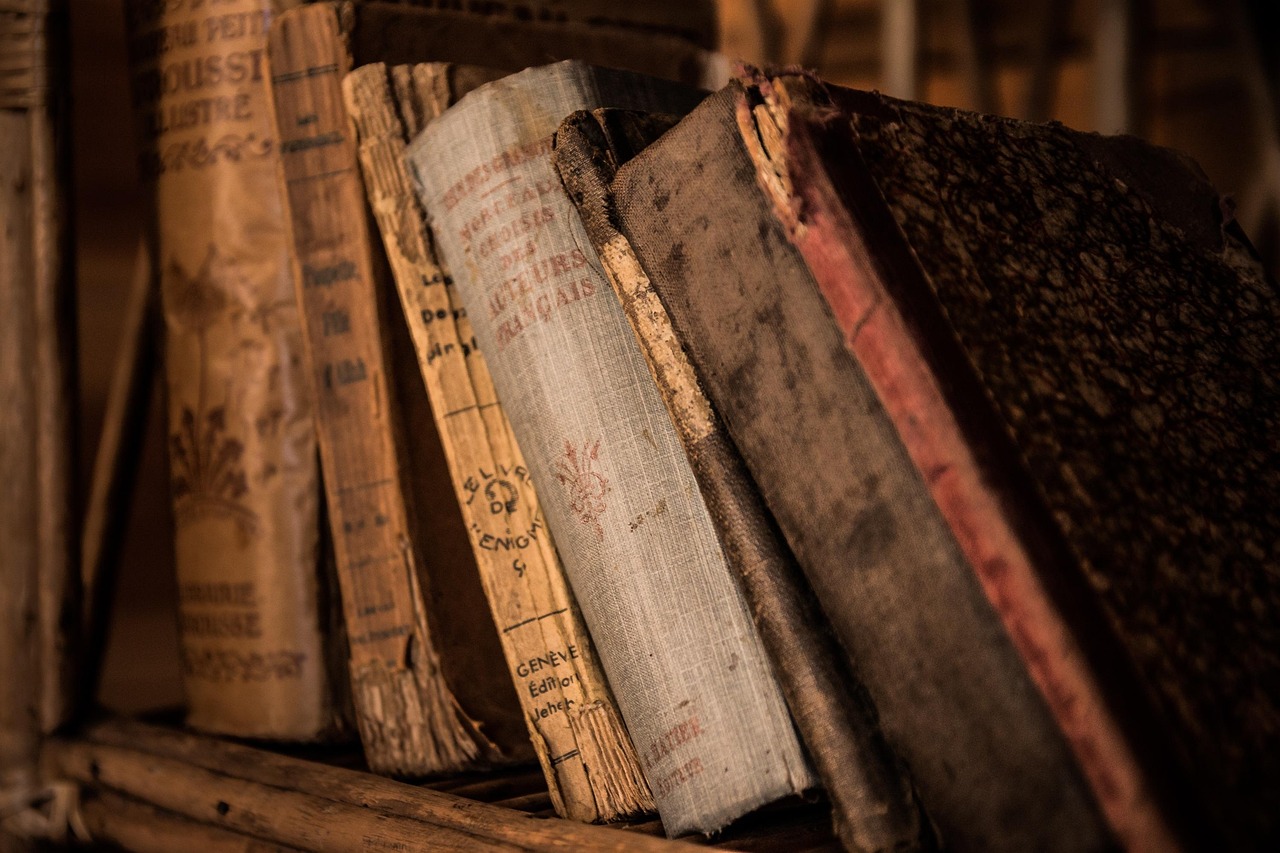
There's a particular pleasure in stories that take place in one small room. A shop, a lighthouse, a train car, a cabin in the woods. The walls press in, and somehow the story gets bigger. Speculative fiction thrives in these contained spaces because wonder doesn't need acreage. It needs attention. A single drawer of impossible objects, examined closely, can carry more weight than a continent of invented geography.
The trick is to treat the setting as a character with its own rules and moods. A magic shop at the end of the world isn't just a location. It's the last place where the old laws still apply. The dust on the shelves is a kind of time. The bell over the door rings for customers who may not be entirely alive. Every object on the counter is a story waiting, and the shopkeeper is the one who decides which stories get told. When you commit to a single room, you commit to making that room strange and specific and alive.
Constraint Is a Gift, Not a Punishment
Writers often fear that a small setting will feel small. The opposite is usually true. When you can't cut to a battle or a journey, you have to make the conversation do the work. Dialogue sharpens. Subtext thickens. A character who can't leave the room has to find other ways to move, and those ways are often more interesting than a chase scene.
Contained stories also let you play with time in ways that sprawling stories can't. A single evening in a shop can stretch across decades of memory. A customer who enters at dusk and leaves at dawn can live an entire life between the door closing and the door opening. The room stays the same. The people inside don't. That contrast is where the magic lives, and it doesn't require a single special effect.
There's also a practical benefit. Small settings are cheap to describe. You can afford to render every detail, because there aren't many. The grain of the wood. The smell of old paper and candle smoke. The particular way the light falls through a cracked window at four in the afternoon. That level of texture is hard to sustain across a continent, but it's easy in a room. And texture is what makes readers believe in the impossible. They'll accept a talking cat if the teacup it drinks from is real.
Let the World Leak In Through the Door
The best contained stories don't pretend the outside world doesn't exist. They let it leak in. A customer brings news of a war. A delivery arrives from a place that shouldn't still be there. The shopkeeper remembers something they've been trying to forget. The walls hold, but the world presses against them, and that pressure is the story's engine.
Write the room. Trust the room. The end of the world can wait outside the door, and it will be all the more terrifying for how long we've spent not looking at it.