
 The unglamorous infrastructure of a fictional city tells readers more about its people than any throne room ever could.

Writing the Quiet Apocalypse
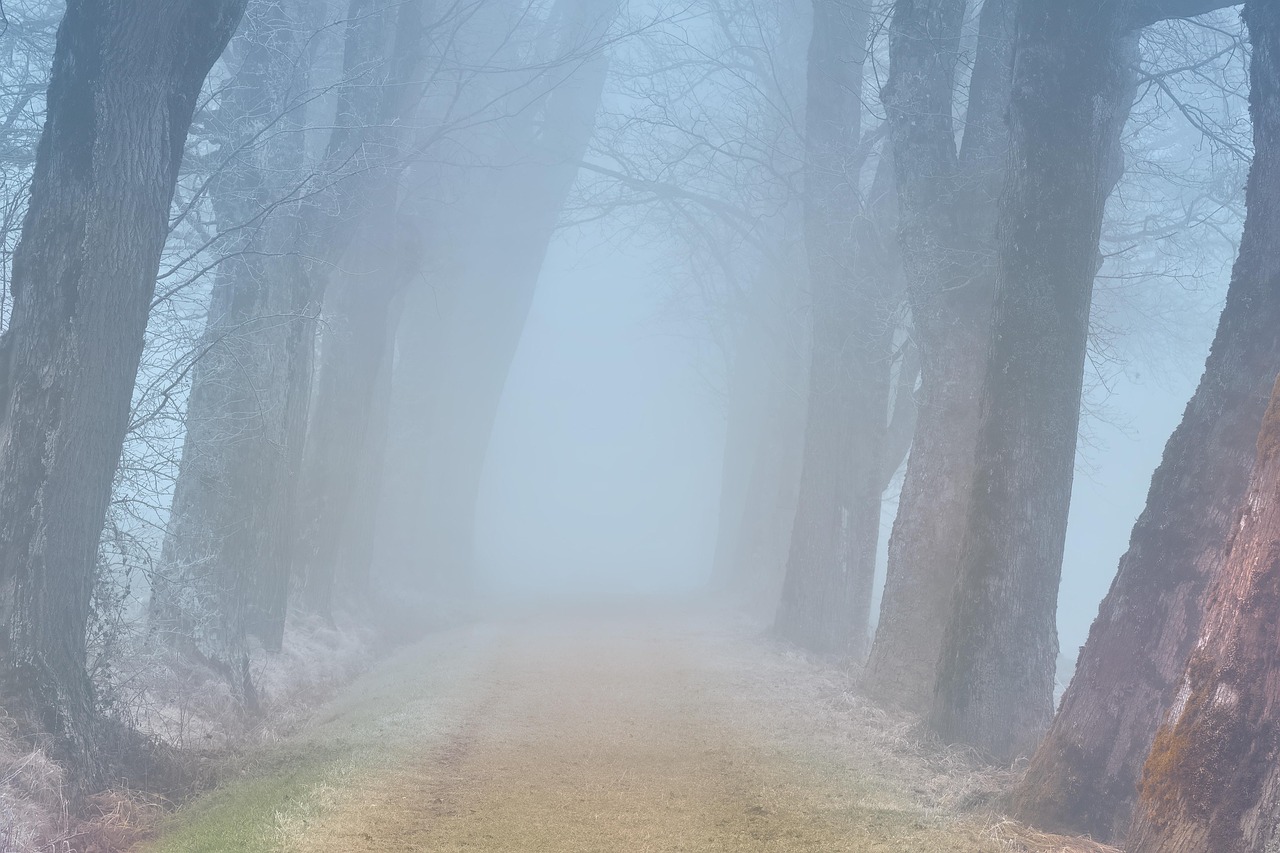
The loud apocalypse is easy to write. Explosions, plague, the last stand on a crumbling overpass. It is dramatic, it is visual, and it has been done so many times that readers know the choreography before the first page ends. The quiet apocalypse is harder, and for exactly that reason, it lingers. It is the end of the world that arrives without announcement, the one where people keep going to work and paying bills while something essential drains out of the world around them.
Speculative fiction is uniquely suited to this mode. Science fiction and fantasy can literalize metaphor in ways realist fiction cannot. If the world is losing its ability to imagine the future, a speculative story can show that loss as a physical phenomenon. If a society is slowly forgetting how to care for its dead, a fantasy can make that forgetting visible, one unmarked grave at a time.
The Mechanics of Slow Collapse
A quiet apocalypse needs a symptom, not an event. The event—whatever caused the decline—has usually already happened, or is happening so gradually that no one can point to a beginning. What the reader sees is the symptom. Perhaps children are born without shadows. Perhaps the ocean has begun to taste of iron. Perhaps every mirror in the city shows a room slightly different from the one containing it. The symptom should be small enough to be explained away by ordinary people, and strange enough that the reader cannot stop thinking about it.
From there, the story is built from accumulation. One missing shadow is a curiosity. A generation of shadowless children is a crisis of identity, inheritance, and faith. The writer's job is to track how ordinary life adapts around the symptom—the new etiquette, the new industries, the new griefs—until the reader realizes that the world has already ended and everyone simply kept walking.
This mode demands restraint. The temptation is to escalate, to reveal a monster or a mastermind, to give the reader something to fight. Resist it. The power of the quiet apocalypse is that there is nothing to fight. The antagonist is time, or entropy, or human willingness to look away. Those are the enemies readers recognize from their own lives, which is precisely why they are frightening.
Hope Without False Comfort
Quiet apocalypses are not nihilistic. They can be, but the best ones are not. They find meaning in the margins: a librarian copying books no one will read, a gardener planting trees that will outlive the language used to name them, a parent teaching a child a song from a country that no longer exists. These acts do not reverse the collapse. They do something stranger and more human—they insist on value in a world that has stopped rewarding it.
This is where speculative fiction earns its keep. A realist novel about slow decline can feel like a newspaper editorial. A speculative novel about slow decline can feel like a myth. It can ask what humanity is when the structures that made us human are gone, and it can answer without sentimentality, because the world it builds has real stakes and real losses.
When the last page turns, the reader should not feel that the world was saved. They should feel that the world was loved, even as it went. That is the quiet apocalypse's particular gift—not despair, but attention. It teaches us to notice what we are losing while we still have it.